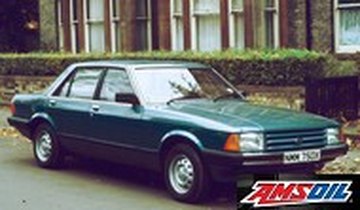
Maintaining Lubrication Standards for the 1981 Ford GRANADA 4.2L
Proper engine care for a vehicle of this era requires a focus on consistent monitoring and adherence to specific fluid requirements. For owners of a 1981 Ford GRANADA equipped with the 4.2L engine, maintaining the lubrication system is a fundamental aspect of long-term mechanical health. Because older engines operate under different tolerances and material conditions than modern vehicles, a proactive approach to maintenance can help ensure continued operation.Monitoring Fluid Integrity and Condition
One of the most effective ways to monitor the health of the 4.2L engine is through regular observation of the lubricant itself. The condition of the oil can provide significant clues regarding the internal state of the engine. When performing routine checks, it is useful to look for changes in the color or texture of the fluid. While some discoloration is expected as oil ages and collects microscopic debris, sudden or extreme changes warrant closer inspection. For instance, if the lubricant appears excessively dark or contains visible particulate matter shortly after a service interval, it may indicate that the filtration process or the oil's ability to suspend contaminants is being challenged. Additionally, any signs of milky discoloration can suggest that coolant has entered the lubrication system, which requires immediate professional investigation. Beyond color, the smell of the oil can also be an indicator. An unusual odor might suggest that the lubricant has been exposed to extreme heat or other chemical contaminants. By making these observations a standard part of your routine, you can identify potential issues before they escalate into more significant mechanical concerns.Observing Potential Warning Signs
When managing a vehicle from 1981, it is important to distinguish between normal operating characteristics and symptoms that suggest a need for service. Several indicators can signal that the lubrication system requires attention. Visible fluid seepage is a primary concern. If you notice oil accumulating on the ground beneath the vehicle or appearing on the exterior of the engine block, it may indicate that various gaskets or seals are no longer providing an effective barrier. While small amounts of seepage are not uncommon in older engines, any active drip or significant wetness around sealing surfaces should be investigated to prevent fluid loss. Changes in how the engine sounds during operation can also be telling. Unusual mechanical noises—such as tapping, knocking, or increased friction sounds—can sometimes be associated with insufficient lubrication or changes in oil viscosity. It is important to remember that these symptoms can have multiple causes; therefore, a noise should not be used to diagnose a specific component without a thorough inspection. Furthermore, if you notice an increase in the frequency of fluid top-offs, this suggests the engine may be consuming more lubricant than usual. Monitoring consumption rates helps establish whether the engine is operating within expected parameters or if there is an underlying issue that needs to be addressed.Prioritizing Maintenance Through Condition-Based Inspection
Rather than relying solely on age, effective maintenance for a 1981 Ford GRANADA involves prioritizing tasks based on the actual current condition of the vehicle. This approach allows you to focus resources on the areas that need attention most urgently. A helpful starting point is to establish a maintenance baseline. If the service history of the 4.2L engine is unknown, begin by performing a comprehensive inspection of all fluid levels and the general cleanliness of the engine compartment. Once you have documented the current state of the vehicle, you can more easily identify changes over time. When reviewing your maintenance priorities, consider the following:- Address active leaks first: Any evidence of ongoing fluid loss should take precedence over cosmetic or non-essential repairs.
- Monitor aging materials: Inspect accessible hoses and belts (if equipped) for signs of cracking, glazing, or fraying. While these are not always directly related to oil, they are critical components of the overall engine environment.
- Review service records: If documentation is available, use it to identify patterns in fluid consumption or previous repairs. This helps distinguish between a new issue and a recurring one.
- Evaluate electrical connections: Ensure that any sensors related to engine monitoring are clean and free of corrosion to ensure accurate readings.
Long-Term Ownership and Record Keeping
For those committed to the long-term operation of their 1981 Ford GRANADA, maintaining detailed records is an invaluable practice. A well-kept logbook serves as more than just a history of past repairs; it acts as a diagnostic tool. By recording every oil change, filter replacement, and fluid top-off, you create a data set that can reveal subtle trends. For example, if your records show that the engine has required slightly more oil every six months for the last two years, you have documented evidence of a gradual change in consumption. This is much more useful than trying to remember vague details during a service appointment. Consistent record-keeping also assists when attempting to establish a baseline for a vehicle with an incomplete history. If you purchase a used 4.2L engine, your first few months of meticulous logging will provide the necessary context to understand how that specific engine behaves under your ownership. This level of detail is essential for distinguishing between routine maintenance needs and unexpected mechanical shifts.Practical Steps for Engine Component Care
Beyond the oil itself, several surrounding components play a role in maintaining a healthy engine environment. For instance, ensuring that the air filtration system is clean is vital. A restricted air intake can affect the combustion process, which in turn affects the chemical stability of the engine oil. If the vehicle is equipped with a crankcase ventilation system, keeping this pathway clear is also important. Proper ventilation helps manage internal pressures and assists in removing combustion byproducts that might otherwise contaminate the lubricant. Regularly inspecting the area around the oil filler cap and the dipstick for signs of debris or improper sealing can also prevent external contaminants from entering the engine. These small, proactive steps contribute to a cleaner operating environment and help maintain the integrity of the lubrication system over time.Buying Engine Oil for your 1981 Ford GRANADA 4.2L
When it is time to replenish your lubricant, the most important step is to ensure that the product you select matches the specific requirements of your engine. Because different engines have unique needs regarding additive packages and base oils, you should never rely on general assumptions based on the vehicle's age or size. To make an informed purchase for your 1981 Ford GRANADA 4.2L, follow these guidelines:- Match the application information: Always refer to the specific viscosity and lubricant type listed in the application information provided on this webpage. This is the most reliable way to ensure compatibility.
- Verify API certifications: Check the product label to ensure the oil meets current industry standards for quality and performance.
- Consider formulation types: Depending on your specific needs, you may choose between conventional, synthetic blend, or full synthetic oils. Some high-mileage formulations also contain additives intended for use in aging engines, including seal-conditioning additives.
- Inspect the label carefully: Before completing your purchase, double-check that the grade and specifications on the bottle align exactly with the requirements shown in your vehicle's documentation.